Are You Seeing Red?

Promoting Optimal Wellness for Body, Mind and Spirit

Promoting Optimal Wellness for Body, Mind and Spirit

With yesterday’s snow storm you may not have gotten out much, but if you had you may have noticed a lot of women wearing red for National Red Dress Day. 

RedDressPin

Heart disease remains the #1 Killer of men and women world-wide. Heart (cardiovascular) disease includes high blood pressure, heart attack (myocardial infarction,) abnormal heart rhythm (arrhythmia,) congestive heart failure (CHF,) stroke (cerebrovascular disease) and more.

February is ‘National Heart Month.’ Wear red this month to help bring awareness to heart disease, risk factors, and prevention. ‘Get your red on’ all month-long.

Recognize Warning Signs of a Heart Attack. Symptoms of a heart attack can be different in men and women (more subtle at times) and may include –

  • Chest pain or discomfort
  • Pain in the upper body such as the neck, jaw, upper back, or arms
  • A squeezing feeling or tightness in the chest
  • Difficulty breathing
  • Sweating
  • Nausea or vomiting
  • Dizziness or light-headedness

If you are experiencing symptoms of a heart attack, call 9-1-1 immediately. Don’t delay. Don’t drive yourself to the hospital.  As they say – “Time is heart.” “Time is brain.” This means that the faster you act, the better you heart and brain function can be preserved.

The Good News – Heart disease is largely preventable and controlled. Ask your doctor about your risk factors, prevention and treatment. In the meantime, take steps for a healthier you!

  • Stop smoking.
  • Manage blood pressure, cholesterol, diabetes and stress.
  • Exercise regularly.
  • Maintain a healthy weight.
  • Eat healthily.
  • Avoid or moderate use of alcohol.

Mention this post for FREE Blood Pressure Screening and FREE Smoking Cessation Consultation during the month of February at Dreamtime Wellness™ for FOB. Call 978-283-4258 to make an appointment. 

~ Live Each Day With a Grateful Heart. ~

Continue reading

De-Stress During the Holiday Season … and Beyond

Dreamtime Wellness ™

Promoting Optimal Wellness for Body, Mind and Spirit

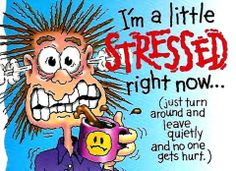
Got Stress?? 

Stress 465cd4826004c9b136a5623d1de54d11

You are not alone. And the Holiday Season can be an especially stressful time for many with added financial strain, grief and sadness over those we have loved and lost, and overwhelming, over-commitments. 

According to the 2014 annual Stress in America™ survey by the American Psychological Association (APA) the Top 4 sources of stress are –

Money, Work, Family Responsibilities, and Health Concerns.

The APA study also found –

  •  72% of Americans reported feeling stressed about money at least some of the time during the past month.
  • 22% said that they experienced extreme stress about money during the past month
  • Parents, younger generations and lower-income households (less than $50,000.00 annual income) have higher stress than others overall
  • Some people are putting their health care needs on hold because of financial concerns.
  • Stress about money impacts relationships
  • 22% say they are not doing enough to manage their stress.
  • American stress levels have been trending down since the annual survey first began in 2007, but still “higher than healthy levels.”

Here’s Some Good News – 

  • Americans who have some emotional support report lower stress levels
  • Help is Available!

If you are experiencing negative stress in your life, or feel overwhelmed by stress seek help! Talk to your doctor. Ask about professional counseling. Look into resources in the community. Talk to family and friends for emotional support.

Remember – You are not alone! Stress is a normal and unavoidable part of life. Some stress is even considered positive, such as the stress that motivates us to accomplish a task. But too much negative stress can negatively affect your emotional and physical health and wellbeing. Especially when it occurs on a daily basis.

Stress Response – The response to stress can be physical and emotional tension, pain, lowered immune response, and inflammation. Chronic stress can lead to chronic disease including high blood pressure, endocrine, metabolic, autoimmune, and mental health disorders.

RELAX and DE-STRESS – The opposite of the stress response is the relaxation response. Methods to relax and de-stress include: acupuncture, art therapy, deep breathing, exercise, hypnosis, laughter/humor, massage, mindfulness, meditation, music and dance, reading, reiki, tai chi, and yoga. Consider incorporating complementary and integrative therapies into your ‘wellness care plan.’ Learn techniques that you can incorporate daily for ‘best results.’ 

cat-massage-1314024431-article-0

REMEMBER to BREATHE. When stressed, people often breathe more shallow or even hold their breath. Breathing relaxation techniques are simple to learn, fast and effective to use, and available 24/7.

WALK or DRIVE by the OCEAN. Views of the water can change your psychology and physiology. Just ask Joey who is lucky to enjoy the View from the Dock every day! Take a drive along BackShore Gloucester or walk Good Harbor or Singing Beach and you will a relief of tension and experience your blood pressure lowering.

Lucky to Live on Cape Ann!

Continue reading

Complementary and Integrative Therapies for Supportive Cancer Care

Promoting Optimal Wellness for Body, Mind and Spirit

Promoting Optimal Wellness for Body, Mind and Spirit

Hospitals around the country are offering integrative therapies as part of comprehensive, collaborative cancer treatment. According to the National Center Complementary and Integrative Health Integrative Medicine is a total approach to healthcare combining standard (conventional) medicine with complementary therapies that have been studied and shown to be safe and effective.

Integrative Oncology

Integrative Therapies for Cancer Care

Complementary and Integrative Therapies – (include but are not limited to) – Acupuncture, Expressive Art, Hypnosis, Massage, Mediation, Mindfulness, Music Therapy, Reiki, Tai Chi, Yoga and Qi Gong.

Complementary and Integrative Approaches for Cancer Symptoms and Treatment Side Effects

“NCCIH-funded research has suggested that:

  • Cancer patients who receive integrative therapies while in the hospital have less pain and anxiety.
  • Massage therapy may lead to short-term improvements in pain and mood in patients with advanced cancer.
  • Yoga may relieve the persistent fatigue that some women experience after breast cancer treatment.”

(Source: https://nccih.nih.gov/health/integrative-health)

  • A study by Birocco et al. found that Reiki (ray-kee) sessions (one to four half-hour sessions in this study) provided to 118 patients receiving chemotherapy in an outpatient infusion clinic were helpful in improving well-being, relaxation, pain relief, sleep quality and reducing anxiety. Those that received the full 4 sessions had a significant (P <.000001) reduction in anxiety. (Source: The effects of Reiki therapy on pain and anxiety in patients attended a day oncology and infusion services unit. Am J Hosp Palliat Care. 2012 Jun;29(4):290-4.)
Reiki Sessions Promote a Relaxed State of Mind and Body

Reiki Promotes a Relaxed State of Mind and Body

  • Self-Hypnotic induction decreased pain and anxiety in women undergoing large core breast biopsy (Source: Adjunctive Self-hypnotic Relaxation for Outpatient Medical Procedures: A Prospective Randomized Trial with Women Undergoing Large Core Breast Biopsy. Lang, E., et al. Pain. 2006 December 15; 126(1-3): 155–164.
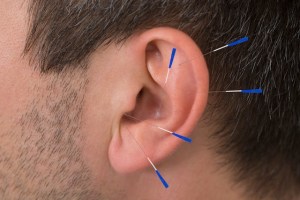
  • Acupuncture has been shown to be an effective and safe adjunct therapy for cancer care for: chemotherapy-induced nausea and vomiting. Studies also suggest acupuncture may be helpful in managing cancer-related pain, chemotherapy-related neutropenia, chemotherapy-induced neutropenia, cancer fatigue, and radiation-induced dry mouth (xerostomia.) (Source: The Value of Acupuncture in Cancer Care. weeding, L. et al. Hematol Oncol Clin North Am. 2008 Aug; 22(4) 631-viii. NIHMSID: NIHMS65572
accupuncture shutterstock_244873000 FB

Auricular Acupuncture

Hospitals offering Integrative Therapies –  in Boston include – Beth Israel-Deaconness, Boston Medical Center, Dana Farber, Mass General, and Tufts Medical Center. North of Boston – Lahey Healthcare (Beverly, Burlington, Danvers, Peabody, Winchester,) North Shore Medical Center (Lynn, Salem) and Mass General North (Danvers.)

Communicate with your oncology doctors and nurses about your use of integrative therapies for supportive care during treatment. Tell all your health care providers about any complementary health approaches you use to ensure coordinated, effective and safe care.

Important to Note: Some integrative therapies, over-the-counter medications, herbs and supplements may not be warranted or even be contraindicated because they may negatively impact your care during treatment for cancer. Check with you doctor, oncologist, and oncology nurse prior to using to assure safe, effective care.

What You Need to Know About Complementary and Integrative Therapies and Cancer Care – the National Center for Complementary and Integrative Therapies conducts and supports research, and provides information about complementary health products and practices. Rigorous studies are conducted to determine the safety and effectiveness of therapies, herbs and supplements. For More Information – https://nccih.nih.gov/health/tips/cancer

6 Things You Need to Know About Complementary Therapies – https://nccih.nih.gov/health/tips/cancer

How to Find a Complementary and Integrative Practitionerhttps://nccih.nih.gov/health/howtofind.htm

Continue reading