
Bargains for Seniors at Walgreens – First Tuesdays.

Promoting Optimal Wellness for Body, Mind and Spirit


Tuesday, November 3
20% off merchandise.
Discounts available for 55+ and AARP members.**
**Note: Balance® Rewards card required.
Did you know ‘First Tuesdays’ at Walgreens are ‘Seniors Day?’ – Every 1st Tuesday of the month you can receive discounts on store merchandise. (Some restrictions may apply. Check at your local Walgreens.
Rewards Cards Available – Shop and Save. As a Balance Rewards member you earn 5,000 points and receive a $5 reward to redeem on your next purchase. Earn 18,000 points and save $20.00. The more points you earn, the bigger your reward.
Don’t You Just Love a Bargain?
Flu Shots Available at Walgreens – 100 Rewards Points. (Check with your doctor about getting a flu shot.)
Best in Health, Karen
Karen Pischke B.S.N., R.N., C.C.R.N. Alumnus. Owner/Founder of Dreamtime Wellness™ Promoting Optimal Wellness for Body, Mind & Spirit www.DreamtimeWellness.com. Find us on Facebook – https://www.facebook.com/pages/Dreamtime-Wellness-/348619611849199
Disclaimer: This blog provides general information and discussion about health and related subjects. The words and other content provided in this blog, and in any linked materials, are not intended and should not be construed as medical advice. If the reader or any other person has a medical concern, he or she should consult with an appropriately licensed physician or other health care worker. Never disregard professional medical advice or delay in seeking it because of something you have read on this blog or in any linked materials. If you think you may have a medical emergency, call your doctor or 911 immediately. The views expressed on this blog and website have no relation to those of any academic, hospital, practice or other institution with which the authors are affiliated.
Art of Living: Life Beyond Cancer’ Conference

Friends of Mel 2016 Conference
Sponsored by Friends of Mel Foundation. www.http://friendsofmel.org
SATURDAY. NOVEMBER 14th at the QUINCY MARRIOTT.
To REGISTER ON – LINE and for a List of Workshops and Seminars – http://friendsofmel.org/conference/
This conference is designed to help survivors and their caregivers navigate the road to healing with a full day of professionally led workshops and skill building seminars that address such issues as –
Opening Keynote –
Trauma to Treasure: Finding Strength Through Life Challenging Experiences
Cancer presents a profound challenge to living a “normal” life but also provides survivors an opportunity to create a path for living that is consciously chosen. This presentation will focus on the inherent strengths of individuals to build a future based on lessons learned from their cancer experience. Matthew J. Loscalzo, LCSW – City of Hope. Executive Director Supportive Care Medicine, Liliane Elkins Professor in Supportive Care Programs, Professor, Population Sciences
SAMPLE of WORKSHOPS INCLUDE:
- Immune-Targeted Therapy: Inspiring Your Body to Kill Your Cancer
- Cognitive Health for Cancer Survivors
- Being a caregiver: What’s It All About?
- Self-Care and Empowerment Through Integrative Therapies
- and Much More.
NEW THIS YEAR FOR YOUNG ADULTS:
- Body Image, Self-esteem and Relationships
- Getting Connected as a Young Adult in Boston
To Learn More About Melanie Simmons, the inspiration behind Friends of Mel and to order Mel’s Bracelets – http://friendsofmel.org

Read About “The Impact of STRESS While Living with Cancer” from Friends of Mel’s Founder, Pauline Alighieri – http://huff.to/1EagW7z
For More Details, to Donate, or to Register for the Conference – http://friendsofmel.org/conference/
SAMPLE SESSIONS OF MASSAGE and REIKI – OFFERED at the FRIENDS of Mels’ Conference. Join Karen Lohnes SW, LCMT, RMT (Gloucester MA,) and me. We will be there along with other integrative therapy providers offering information, education and sample sessions of Integrative Therapies. Integrative Therapies include Acupuncture, Hypnosis, Massage, Meditation, Reiki, Yoga. These therapies can aid in symptom management, relieve stress, improve comfort, and promote wellness for those undergoing treatment for cancer and beyond treatment for self-care and empowerment. Take an active role in your health care plan.
NOTE – Consult your oncologist physician or nurse prior to using Complementary, Alternative or Integrative Therapies. Some therapies and supplements may be contraindicated for your care. Discuss with your doctor.
For Information About Complementary Therapies – https://nccih.nih.gov
Join me Over the Bridge. Saturday. November 14th
Wishing You the Best in Health, Karen
Karen Pischke B.S.N., R.N. Owner/Founder of Dreamtime Wellness™ Promoting Optimal Wellness for Body, Mind & Spirit www.DreamtimeWellness.com. Find us on Facebook – https://www.facebook.com/pages/Dreamtime-Wellness-/348619611849199
Disclaimer: This blog provides general information and discussion about health and related subjects. The words and other content provided in this blog, and in any linked materials, are not intended and should not be construed as medical advice. If the reader or any other person has a medical concern, he or she should consult with an appropriately licensed physician or other health care worker. Never disregard professional medical advice or delay in seeking it because of something you have read on this blog or in any linked materials. If you think you may have a medical emergency, call your doctor or 911 immediately. The views expressed on this blog and website have no relation to those of any academic, hospital, practice or other institution with which the authors are affiliated.
Manchester Athletic Club Food Drive (with Open Door)

Donations excepted from November 1 -15
You are invited to the Lola Trunk Show at MAC on NOVEMBER 6, 2015

Lola Trunk Sale at MAC
Bank Gloucester Flu Clinic Today October 29, 2015
“Come get your Flu Shot at Bank Gloucester, 160 Main St, October 29, 2015 from 3:00p – 530p. Please bring your insurance cards and wear a short sleeve shirt. Questions? Call the Public Health Nurse, Kelley Ries, at 978-282-8023”
Public Health Nurse
City of Gloucester
Early Riser Rewards!!
 Cape Ann Power Yoga – 6:15AM Wall Street – 1:45pm Lanesville – 7:15pm
Power Yoga works, and it works best when you do it a lot. David and Elizabeth DeAngelis have seen lives transformed from this practice and know that it works for everyone who is willing to unroll their mat.
Cape Ann Power Yoga is rolling out a new incentive program – Early Riser Rewards. We’ll make this winter your best yet! From Fall Back to Spring Ahead your dedication will earn you even more opportunity.
Take three early morning classes in a week and earn a free class!
The incentive runs from November 2 to March 13 and the week is counted from Monday to Sunday. Our EXCELLENT team is at the studio seven early mornings a week, ready to support your growth.
Monday, Wednesday, and Friday – 5:30-6:30 with Johnna Huntsman
Tuesday and Thursday – 6:00-7:00 with Kim Lorden
Saturday and Sunday – 7:00-8:30 with Hayley Haberman and Elizabeth DeAngelis
Click Here to See the Full Schedule
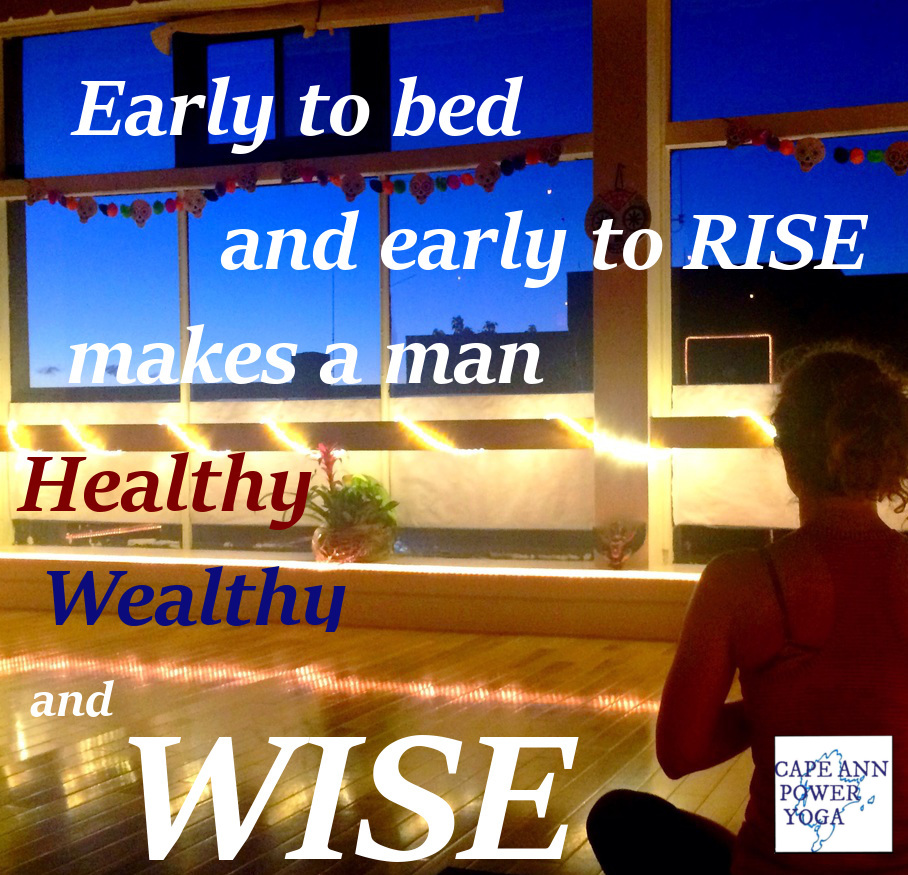
Your earned class comes with no strings attached! If you roll it into your next week of early mornings you can practice 3 times a week for as little as $80 a month. No sign up or advanced payment is required. Just decide that now is the time, set your alarm, and show up with a desire to open up your life. With a sound mind in a sound body anything is possible!
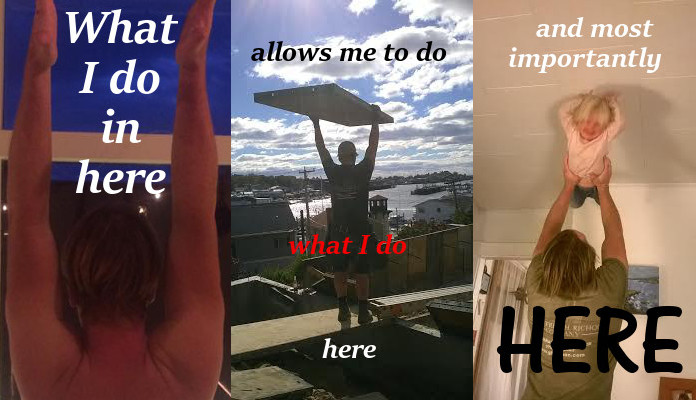
“Since opening Cape Ann Power Yoga early mornings are my free time. I’ve never been an early morning workout person – I’d always thought that my body worked best after it had been up and about during the day. I’ve been going to Johnna’s 5:30-6:30 class Monday, Wednesday, and Friday, and even I’m amazed at how good it feels. I’m out at 6:30, get a coffee, and I’m the first one at the jobsite. I start my day feeling like a million bucks!”
– Dave (owner, teacher, carpenter, father, husband)


You don’t need to be a wicked intense construction guy to practice power yoga. Some of our very best students find us because they are feeling feeble. They don’t stay that way for long.
As always – ALL classes are ALL levels ALL the time and always just $10
Please email us with any questions at CapeAnnPowerYoga@gmail.com
Sign up for our newsletter here!. (We promise to only send interesting news and not too often!)
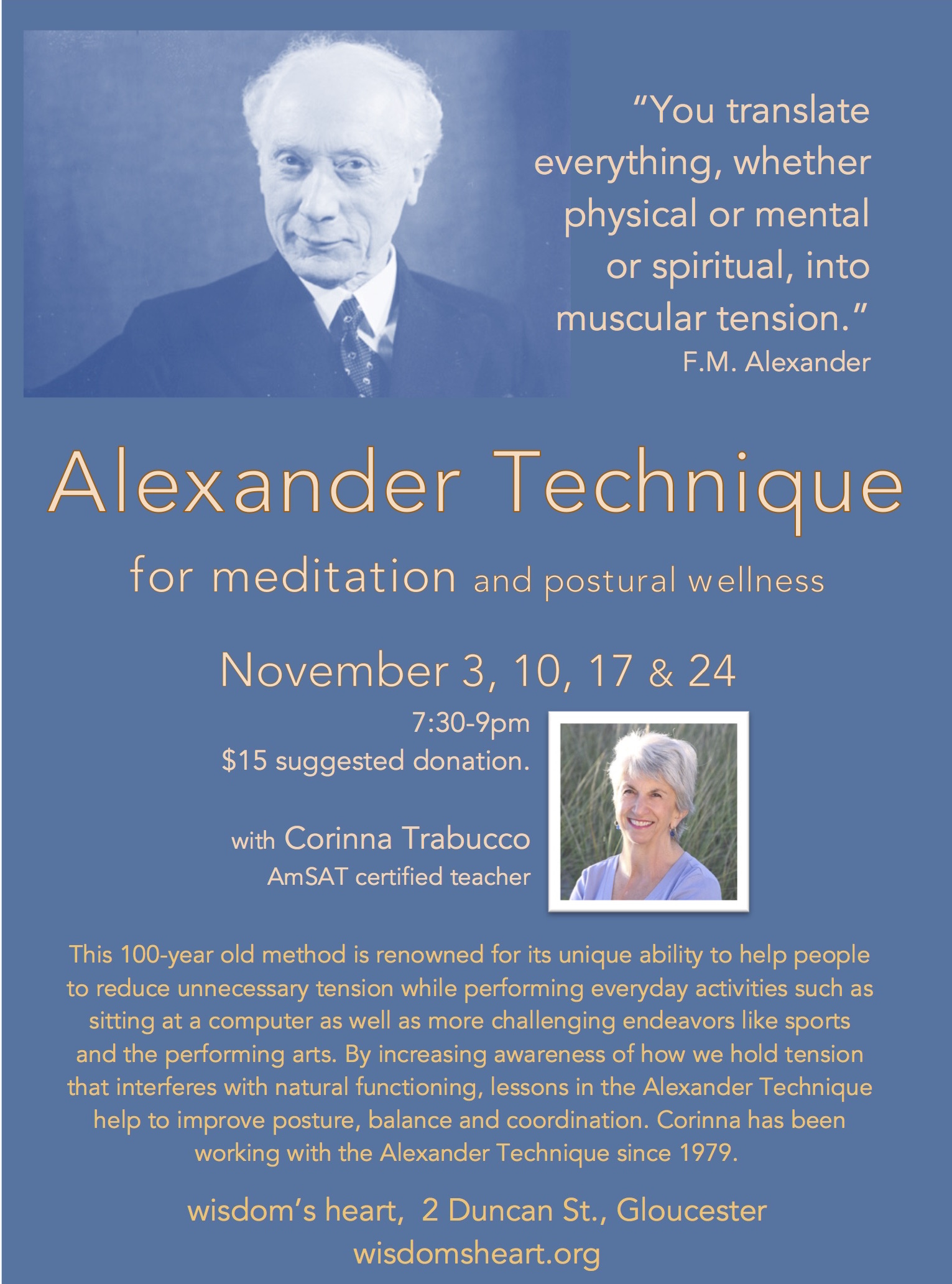
Try a 100-yr old posture alignment technique and relieve some pain.
Basketball Clinic – Ages 10-14 @ MAC
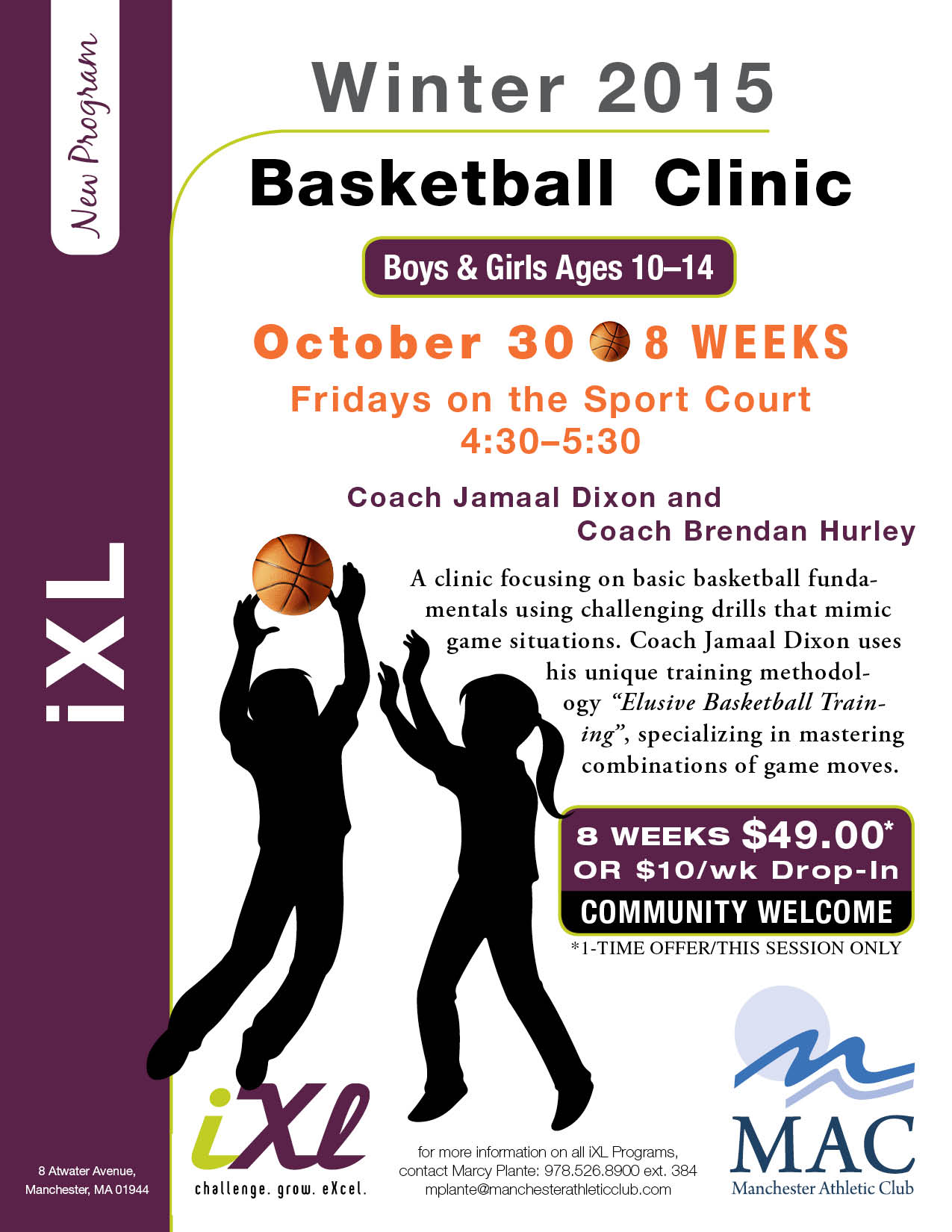
Boys and Girls Ages 10-14
Complementary and Integrative Therapies for Supportive Cancer Care

Promoting Optimal Wellness for Body, Mind and Spirit
Hospitals around the country are offering integrative therapies as part of comprehensive, collaborative cancer treatment. According to the National Center Complementary and Integrative Health Integrative Medicine is a total approach to healthcare combining standard (conventional) medicine with complementary therapies that have been studied and shown to be safe and effective.

Integrative Therapies for Cancer Care
Complementary and Integrative Therapies – (include but are not limited to) – Acupuncture, Expressive Art, Hypnosis, Massage, Mediation, Mindfulness, Music Therapy, Reiki, Tai Chi, Yoga and Qi Gong.
Complementary and Integrative Approaches for Cancer Symptoms and Treatment Side Effects –
“NCCIH-funded research has suggested that:
- Cancer patients who receive integrative therapies while in the hospital have less pain and anxiety.
- Massage therapy may lead to short-term improvements in pain and mood in patients with advanced cancer.
- Yoga may relieve the persistent fatigue that some women experience after breast cancer treatment.”
(Source: https://nccih.nih.gov/health/integrative-health)
- A study by Birocco et al. found that Reiki (ray-kee) sessions (one to four half-hour sessions in this study) provided to 118 patients receiving chemotherapy in an outpatient infusion clinic were helpful in improving well-being, relaxation, pain relief, sleep quality and reducing anxiety. Those that received the full 4 sessions had a significant (P <.000001) reduction in anxiety. (Source: The effects of Reiki therapy on pain and anxiety in patients attended a day oncology and infusion services unit. Am J Hosp Palliat Care. 2012 Jun;29(4):290-4.)

Reiki Promotes a Relaxed State of Mind and Body
- Self-Hypnotic induction decreased pain and anxiety in women undergoing large core breast biopsy (Source: Adjunctive Self-hypnotic Relaxation for Outpatient Medical Procedures: A Prospective Randomized Trial with Women Undergoing Large Core Breast Biopsy. Lang, E., et al. Pain. 2006 December 15; 126(1-3): 155–164.
-
Acupuncture has been shown to be an effective and safe adjunct therapy for cancer care for: chemotherapy-induced nausea and vomiting. Studies also suggest acupuncture may be helpful in managing cancer-related pain, chemotherapy-related neutropenia, chemotherapy-induced neutropenia, cancer fatigue, and radiation-induced dry mouth (xerostomia.) (Source: The Value of Acupuncture in Cancer Care. weeding, L. et al. Hematol Oncol Clin North Am. 2008 Aug; 22(4) 631-viii. NIHMSID: NIHMS65572
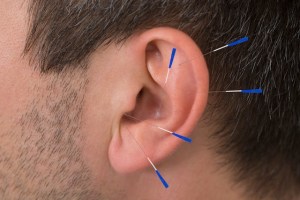
Auricular Acupuncture
Hospitals offering Integrative Therapies – in Boston include – Beth Israel-Deaconness, Boston Medical Center, Dana Farber, Mass General, and Tufts Medical Center. North of Boston – Lahey Healthcare (Beverly, Burlington, Danvers, Peabody, Winchester,) North Shore Medical Center (Lynn, Salem) and Mass General North (Danvers.)
Communicate with your oncology doctors and nurses about your use of integrative therapies for supportive care during treatment. Tell all your health care providers about any complementary health approaches you use to ensure coordinated, effective and safe care.
Important to Note: Some integrative therapies, over-the-counter medications, herbs and supplements may not be warranted or even be contraindicated because they may negatively impact your care during treatment for cancer. Check with you doctor, oncologist, and oncology nurse prior to using to assure safe, effective care.
What You Need to Know About Complementary and Integrative Therapies and Cancer Care – the National Center for Complementary and Integrative Therapies conducts and supports research, and provides information about complementary health products and practices. Rigorous studies are conducted to determine the safety and effectiveness of therapies, herbs and supplements. For More Information – https://nccih.nih.gov/health/tips/cancer
6 Things You Need to Know About Complementary Therapies – https://nccih.nih.gov/health/tips/cancer
How to Find a Complementary and Integrative Practitioner –https://nccih.nih.gov/health/howtofind.htm